
Mexico City for the World Cup: What to Do, Where to Stay & How to Make It Unforgettable
- Last Updated On
- Maya
Mexico City during the World Cup is something else. The chants spill into the streets, bars turn into mini stadiums, and strangers become friends over tacos and late-night goals. If you’re heading to CDMX for football, this guide will help you turn matchday into a full travel experience - from iconic stadiums and music venues to the best neighborhoods to stay in.
And when it comes to the matches themselves, SeatPick makes sure you don’t just get a ticket - you get the right seat.
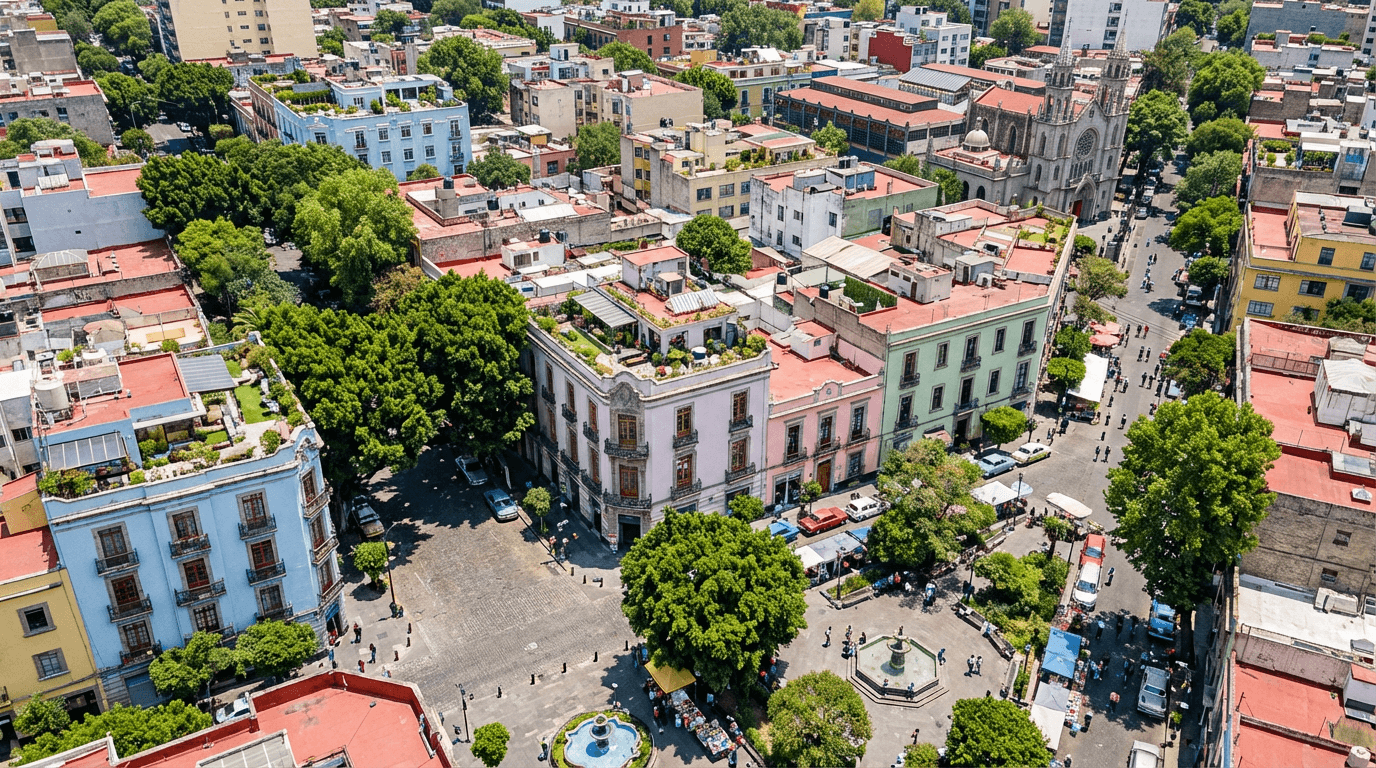
Mexico City Basics
Mexico City is the capital city of Mexico and is located in the center of the country. It sits at about 2,240 meters (7,350 feet) above sea level, which is something to keep in mind your first day or two.
It’s one of the largest cities in the world, with more than 22 million people in the metro area. The local time zone is Central Time (CT), the main language spoken is Spanish, and yes - Mexico City is absolutely worth visiting.
Is Mexico City Safe for Tourists?
This is one of the most common questions, and the honest answer is: yes, Mexico City is safe for tourists when you travel smart.
Popular neighborhoods like Roma Norte, Condesa, Polanco, Coyoacán, and Centro Histórico are well-visited, lively, and generally safe. Use Uber or official taxis, avoid flashing valuables, and stick to busy areas at night — the same rules you’d follow in any major city.
During big events like the World Cup, security is higher and the city is well prepared for international visitors.
Where to Stay in Mexico City (Especially for First-Time Visitors)
Choosing the right neighborhood makes a huge difference. • Roma Norte & Condesa are ideal for first-timers - walkable streets, cafés, bars, and easy transport. • Polanco is more upscale, close to museums and luxury hotels. • Centro Histórico puts you close to landmarks and historic sites. • Coyoacán is artsy, relaxed, and full of character.
If you want energy, nightlife, and easy access to fan events, Roma Norte or Condesa are hard to beat.
What to Do in Mexico City Between Matches
There’s no such thing as “killing time” in CDMX.
Don’t miss Chapultepec Park and Castle, the National Museum of Anthropology, Palacio de Bellas Artes, the Zócalo, and the Frida Kahlo Museum in Coyoacán.
If you have half a day free, go to Teotihuacán. Getting there from Mexico City is easy by bus or guided tour, and walking among the pyramids is one of those moments you’ll talk about long after the tournament ends.
Music, Nightlife, and Big Venues
Mexico City’s music scene is world-class, and during the World Cup it goes into full celebration mode.
For clubs and live music, check out Departamento, Yu Yu, Casa Franca for jazz and soul, or Patrick Miller for an unforgettable local dance night.
Big concerts and events happen at Foro Sol, Auditorio Nacional, Palacio de los Deportes, and Arena Ciudad de México. It’s completely normal to watch a match, grab street food, and end the night at a concert or DJ set.
Off the Beaten Track in Mexico City for Football and Music Lovers
Tianguis del Chopo (Saturdays)
A legendary counterculture market where music and football blend naturally. You will find vinyl, band merch, subculture fashion, and plenty of football crossover: vintage Liga MX shirts, old national team jerseys, unofficial prints, and bootleg designs you will not see anywhere else. It is loud, messy, and full of character.
La Lagunilla (Sundays)
Known for antiques, but dig deeper and you will uncover stalls selling retro football memorabilia, scarves, and worn-in jerseys from past decades. Street bands, DJs, and collectors create an atmosphere that feels closer to a neighborhood derby than a flea market.
Frontón México
A historic sports venue near Alameda Central that hosts jai alai, boxing, and niche sporting events. The crowd is local and passionate, and the building itself feels frozen in time. It offers a glimpse into Mexico City’s sporting past beyond modern football culture.
Arena Coliseo
While Arena México draws the spotlight, Arena Coliseo is where lucha libre still feels raw and personal. The matches are closer, the crowd louder, and the energy more intense. Lucha libre is as important to Mexico City as football, and this venue shows it in its purest form.
Neighborhood Deportivos (Community Sports Complexes)
Places like Deportivo Oceanía, Deportivo Azcapotzalco, and Deportivo Coyoacán host nonstop amateur football, futsal, and youth matches. No tickets, no branding, just shouting, competition, and pride. This is where the city’s real football culture lives day to day.
Mexico City has two major airports, a massive metro system, and reliable ride-sharing. Uber is affordable, widely used, and easy for visitors, making it simple to hop between neighbourhoods.
Why Mexico City and the World Cup Are a Perfect Match
Mexico City is known for its football culture, incredible food, deep history, and nonstop energy. During the World Cup, all of that collides in one place. Come for the matches, stay for the music, the street life, the food, and the feeling of being part of something global.
And when you’re choosing tickets, remember: the right seat can turn a great match into a once-in-a-lifetime memory. That’s exactly what SeatPick is built for - helping fans see the game the way it deserves to be seen. Browse all upcoming Mexico City events and World Cup tickets today!


